I’ve spent years perfecting my sushi rice technique, and I’m thrilled to share these secrets with you today. The foundation of any great Japanese dish, properly prepared sushi rice balances sticky texture with distinct grains that hold their shape. It’s not only about cooking rice—it’s about transforming simple ingredients into something magical through precise techniques. Once you master this crucial component, you’ll access countless possibilities for homemade sushi creations that will impress even the most discerning guests.
Key Takeaways
- Short-grain rice is essential for sushi, providing the sticky texture that holds together while maintaining grain integrity.
- Proper washing removes excess starch, preventing mushiness and ensuring ideal texture when cooked.
- The seasoning mixture of rice vinegar, sugar, and salt gives sushi rice its characteristic tangy-sweet flavor profile.
- After cooking, rice should rest covered before being cut with a paddle while adding vinegar mixture.
- Perfectly prepared sushi rice should be glossy, slightly sticky, and room temperature before using for rolls or nigiri.
Why You’ll Love Perfect Sushi Rice
Whether you’re a seasoned sushi chef or just beginning your culinary adventure, mastering perfect sushi rice will transform your homemade Japanese creations. The sticky, slightly sweet, perfectly seasoned rice serves as the foundation for every successful sushi roll, nigiri, or bowl.
I’ve found that well-prepared sushi rice offers the ideal balance of flavors—tangy from the rice vinegar, sweet from the sugar, with just enough salt to improve the natural grain taste.
It’s also incredibly versatile; you can use it for traditional maki rolls, poke bowls, or even as a side dish. The texture is equally important—each grain should maintain its integrity while sticking together just enough to hold your creations in place.
Once you’ve mastered this fundamental technique, you’ll reveal endless possibilities for creative Japanese-inspired dishes.
What Ingredients are in {var2}?
Making perfect sushi rice is all about using the right ingredients in the right proportions. This simple yet crucial Japanese staple forms the foundation of good sushi, and getting it right makes all the difference.
The combination of short-grain rice with the seasoned vinegar mixture creates that distinctive sticky-yet-separate texture and tangy flavor that pairs so beautifully with fish and other fillings.
- 3/4 cup short-grain rice (specifically for sushi, though Jasmine rice can work)
- 1 cup water
- 1 piece dried kelp (2-inch strip, wiped clean) – optional
- 1 1/2 tablespoons rice wine vinegar
- 1 tablespoon powdered sugar
- 1/2 teaspoon salt
When shopping for these ingredients, the rice selection matters most. True sushi rice is short-grained and becomes sticky when cooked, unlike long-grain varieties that stay separate.
The kelp (kombu) is traditional but optional – it adds a subtle umami flavor that many sushi chefs consider crucial. For the sushi vinegar mixture, rice wine vinegar is milder than regular vinegar, so I wouldn’t substitute it unless absolutely necessary.
And while the recipe calls for powdered sugar, some home cooks use regular granulated sugar with good results, as long as it fully dissolves in the vinegar mixture.
How to Make Perfect Sushi Rice
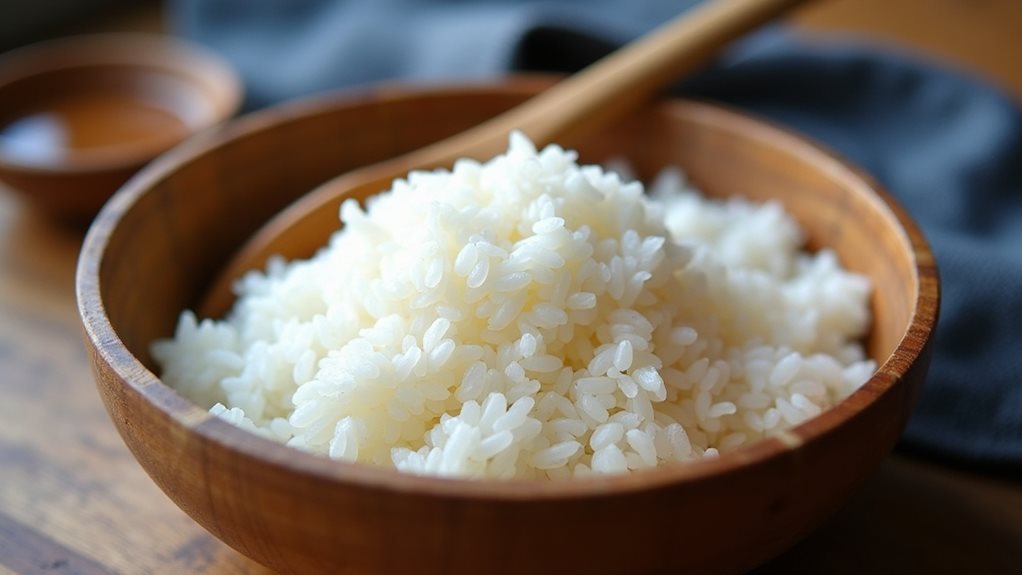
Making sushi rice might seem intimidating, but it’s actually quite straightforward once you know the steps. Start by thoroughly washing 3/4 cup of short-grain rice (specifically labeled for sushi, though I find Jasmine rice works in a pinch).
This washing process is essential—place the rice in water, stir with your hands until the water becomes cloudy, then drain and repeat four to five times until the water runs clearer. This removes excess starch that would make your sushi rice gummy rather than perfectly tender.
Once your rice is washed, combine it with 1 cup of water and a 2-inch strip of dried kelp (if you have it) in a pan with a tight-fitting lid. Using a professional rice cooker can significantly improve consistency and save time compared to stovetop methods. Bring to a boil over medium heat, removing the kelp just before it reaches boiling. Cover the pan, reduce heat, and simmer for about 10 minutes until the water is absorbed—resist the urge to peek under the lid!
Meanwhile, prepare your sushi vinegar by heating 1 1/2 tablespoons rice wine vinegar, 1 tablespoon powdered sugar, and 1/2 teaspoon salt just until the sugar dissolves.
After the rice is done, remove from heat, cover with a dish towel, and let it rest for 10 minutes. The magic happens when you transfer the rice to a bowl and cut through it (never stir!) with a wooden paddle while gradually adding the vinegar mixture.
Let the rice cool to room temperature before using it for your favorite sushi creations. The temperature matters—warm rice will cause the vinegar flavor to dissipate, and nobody wants bland sushi rice after all that careful preparation.
{var2} Substitutions and Variations
While traditional sushi rice calls for specific ingredients, you’ll be pleased to know that several substitutions can produce excellent results when certain items aren’t available.
If you can’t find short-grain sushi rice, medium-grain varieties like Calrose work well, though I’ve successfully used Jasmine rice as mentioned in the recipe. For the vinegar component, apple cider vinegar can replace rice wine vinegar in a pinch—just reduce the amount slightly as it’s more acidic.
Don’t have kelp? Simply omit it. The seasoning can be adjusted too; honey or regular granulated sugar substitutes nicely for powdered sugar.
If you’re watching sodium, reduce the salt slightly. For an interesting twist, I sometimes add a tablespoon of mirin or a dash of yuzu juice to create subtle flavor variations.
What to Serve with {var2}
Once you’ve perfected your sushi rice, pairing it with complementary ingredients will transform this versatile foundation into a complete meal.
I recommend serving it with fresh, sashimi-grade fish like salmon, tuna, or yellowtail for traditional nigiri or maki rolls.
If you’re not comfortable with raw fish, try cooked seafood options like shrimp, crab, or smoked salmon.
Vegetables add crucial texture and flavor—cucumber, avocado, carrot, and daikon radish are classics that work beautifully.
Don’t forget nori (seaweed sheets) for rolling, and condiments like soy sauce, wasabi, and pickled ginger to elevate the flavors.
For a complete meal, I’ll often include miso soup, a simple cucumber salad dressed with rice vinegar, and edamame as appetizers.
These accompaniments balance the meal and cleanse the palate between bites.
Final Thoughts
Perfect sushi rice stands as the foundation of any successful sushi dish, requiring patience and attention to detail that many home cooks overlook.
I’ve found that mastering the proper washing technique and respecting the cooking process without lifting the lid are essential steps that transform ordinary rice into that distinctive sticky-yet-separate texture we all crave.
Don’t rush the cooling process or skip the proper cutting motion with your paddle—these seemingly small details make all the difference.
Remember that authentic sushi rice should be served at room temperature to preserve its delicate vinegar flavor.
While it may take a few attempts to perfect your technique, the reward is well worth the effort.
Once you’ve mastered homemade sushi rice, you’ll rarely want to return to store-bought alternatives.
Unlike risotto, which relies on Arborio rice for its characteristic creaminess, sushi rice needs a different variety and preparation method to achieve its unique texture.