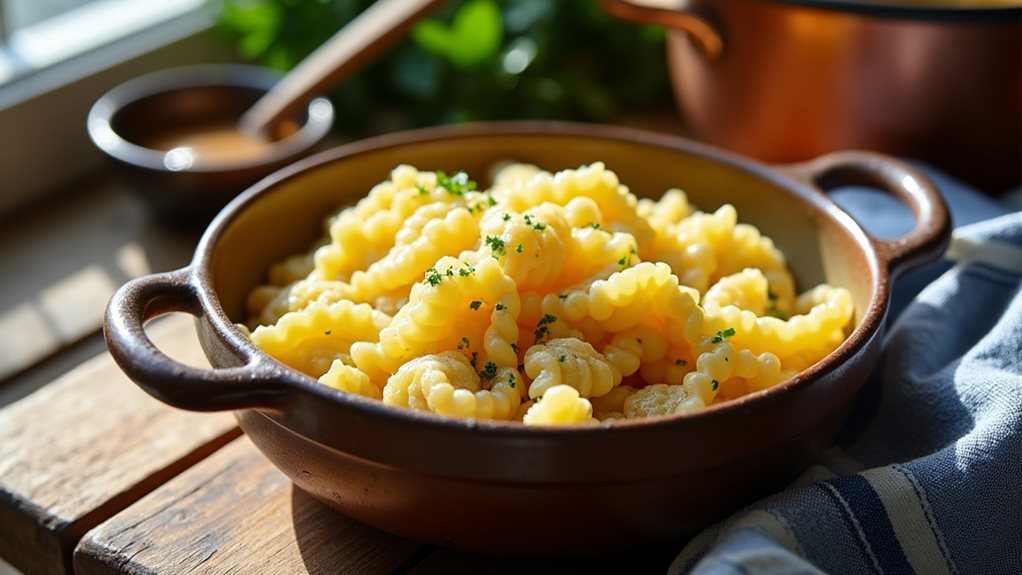
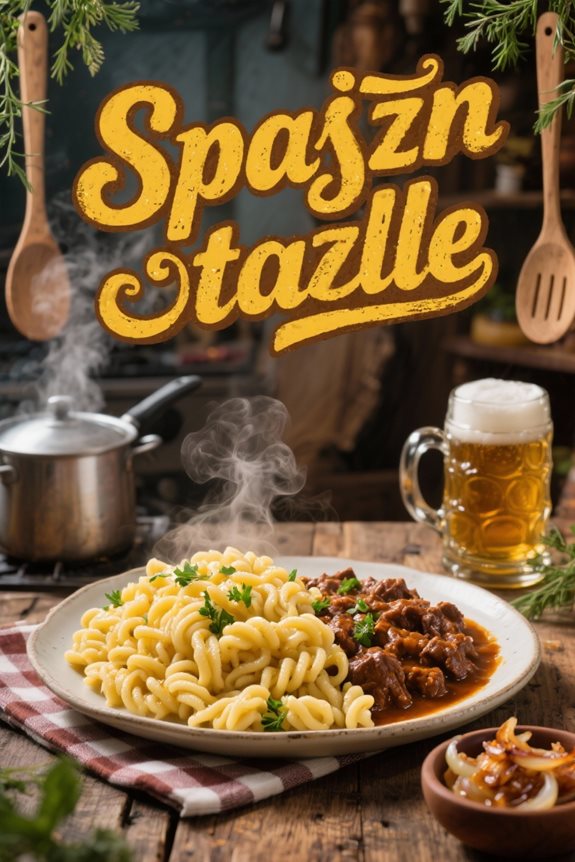
I’ve discovered that nothing beats a bowl of homemade German spaetzle when I’m craving comfort food with European flair. These delicate egg noodles offer the perfect balance of tenderness and chew that you simply can’t find in store-bought pasta. With just flour, eggs, water, and salt, I can transform basic pantry ingredients into something truly special in minutes. But what really makes these little dumplings shine isn’t just their simplicity—it’s how they become the perfect canvas for whatever flavors you’re in the mood for.
Key Takeaways
- Spaetzle are delicate German egg noodles made from a simple batter of flour, eggs, water, and salt.
- The dough is pressed through a colander or specialized tool into boiling water and cooked until floating.
- Traditional spaetzle cooks in just 5 minutes and offers a perfect balance of tenderness and firmness.
- They complement hearty German dishes like Sauerbraten, Jägerschnitzel, and can be transformed into Käsespätzle with cheese.
- Variations include adding herbs, substituting whole wheat flour, or incorporating spinach puree for green spaetzle.
Why You’ll Love these Authentic German Spaetzle
Three compelling reasons make these authentic German spaetzle an irresistible addition to your culinary repertoire. First, these delicate egg noodles offer the perfect balance of tenderness and firmness, creating a delightful texture that beautifully complements any sauce or gravy. I’ve found they’re especially wonderful alongside hearty stews or roasted meats.
Second, the simplicity of ingredients—just flour, eggs, water, and salt—makes this recipe both economical and accessible. You likely have everything you need in your pantry right now. Finally, the preparation process, while requiring attention to detail, rewards you with a deeply satisfying cooking experience. Watching the little dumplings float to the surface as they cook brings an authentic German cooking tradition right into your kitchen. The five-minute cooking time means you’re never far from enjoying this traditional delicacy.
What Ingredients are in Authentic German Spaetzle?
Authentic German spaetzle is one of those simple, humble dishes that delivers incredible flavor with just a handful of basic ingredients. The beauty of this traditional German pasta lies in its simplicity – you likely have everything you need in your pantry right now. The dough comes together quickly, creating those irregular little dumplings that are perfect for soaking up gravies and sauces.
Ingredients for Authentic German Spaetzle:
- 2 cups all-purpose flour
- 1/2 teaspoon salt (for the dough)
- 1/2 cup water
- 3 eggs
- 4 quarts water (for boiling)
- 1 teaspoon salt (for the cooking water)
While the ingredient list is wonderfully short, there are a few things to keep in mind for the best results. The eggs are really what give spaetzle their distinctive texture and rich flavor, so don’t be tempted to reduce them.
Some variations might call for a splash of milk instead of water, which can add a bit more richness. And though not listed in our basic recipe, many home cooks like to add a pinch of nutmeg or a dash of white pepper to the dough for a subtle flavor boost.
Haven’t we all found that these little touches can make all the difference?
How to Make these Authentic German Spaetzle
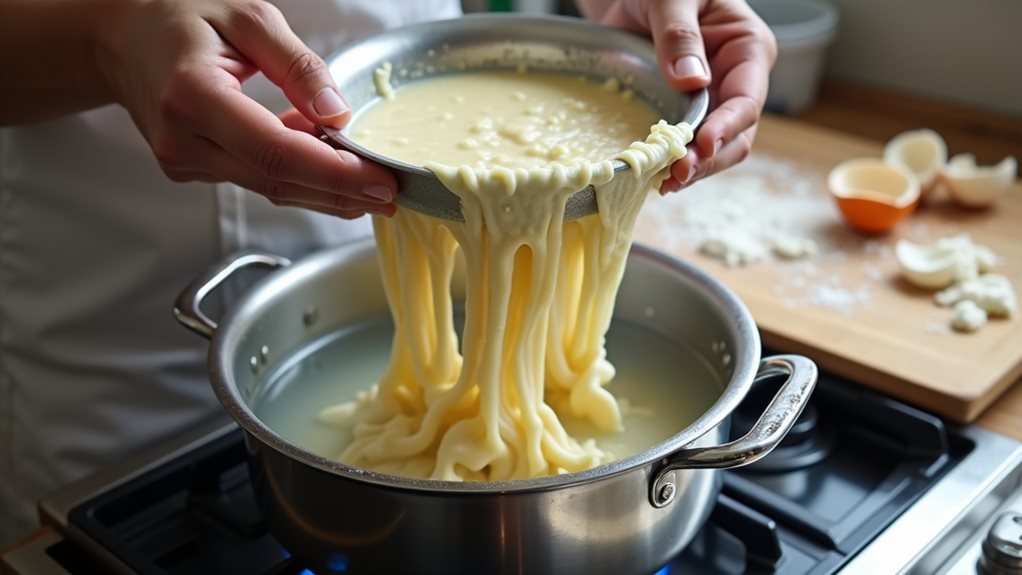
Making homemade spaetzle is surprisingly simple, though it does involve a technique that might seem a bit quirky at first. Start by preparing the batter in a medium bowl, whisking together 2 cups of flour, 1/2 teaspoon of salt, 1/2 cup of water, and 3 eggs until completely velvety. The consistency should be somewhere between pancake batter and bread dough—thick enough to hold its shape briefly but still fluid enough to press through holes.
While you’re mixing the batter, get 4 quarts of water with 1 teaspoon of salt heating in a 6-quart Dutch oven over high heat. Once the water reaches a rolling boil, reduce the heat to medium—we want a gentle boil, not a furious one.
Now comes the fun part (and by fun, I mean slightly messy but totally worth it). Position a colander over the pot and, using a rubber spatula, press portions of the batter through the holes of the colander directly into the simmering water. The batter will drop in little pieces, forming those characteristic irregular dumplings that make spaetzle so charming.
Give the water a gentle stir to prevent the dumplings from sticking together—nobody wants a giant spaetzle blob, trust me. Let the spaetzle cook for about 5 minutes until they’re tender but still have a pleasant firmness when bitten. You’ll notice they’ll float to the surface when they’re nearly done.
Once cooked, drain them thoroughly and they’re ready to serve. These little German dumplings make the perfect base for rich gravies, or simply toss them with some butter and herbs for a comforting side dish that’ll transport you straight to Bavaria. For perfectly consistent results every time, consider using a professional rice cooker to maintain the ideal simmering temperature throughout the cooking process.
Authentic German Spaetzle Substitutions and Variations
While the traditional spaetzle recipe I’ve just described creates those perfectly tender little dumplings, German cuisine incorporates numerous regional variations and practical substitutions that you can explore in your own kitchen.
For a heartier texture, I recommend substituting up to half the all-purpose flour with whole wheat flour. If you’re looking for a richer flavor, try adding a tablespoon of melted butter or replacing some water with milk.
Many southern German regions incorporate herbs like parsley, chives, or nutmeg into their spaetzle batter. For those without a colander, a spaetzle maker, potato ricer, or even a cutting board and knife can work effectively.
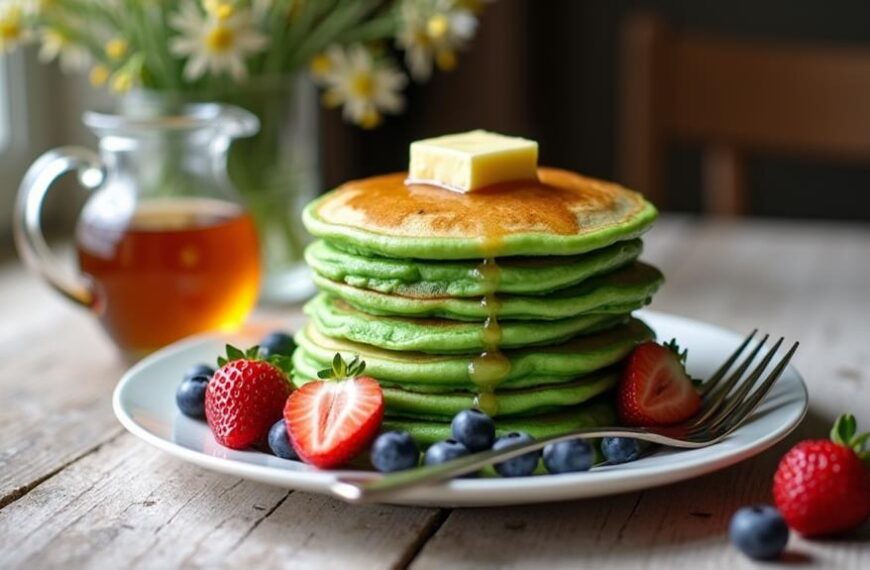
In Switzerland, they often add spinach puree for vibrant green spaetzle, while in some Alpine regions, cheese is mixed directly into the batter.
What to Serve with Authentic German Spaetzle
Traditional German cuisine offers numerous delicious pairings for these soft, egg noodle dumplings that elevate them from a simple side dish to the centerpiece of a memorable meal.
I recommend serving spaetzle alongside rich, saucy dishes like Sauerbraten (pot roast), Jägerschnitzel (hunter’s cutlet with mushroom sauce), or Geschnetzeltes (creamy sliced meat).
For a complete experience, I always include a tangy side of sauerkraut or red cabbage, which provides the perfect acidic contrast to the dumplings’ subtle flavor.
During Oktoberfest, I pair my spaetzle with bratwurst and caramelized onions for an authentic feast.
You can also transform spaetzle into a main course by adding Swiss cheese for Käsespätzle, fundamentally the German version of mac and cheese, topped with crispy fried onions.
Final Thoughts
After mastering the art of creating these delicate German dumplings, I’ve come to appreciate how spaetzle represents the perfect balance of simplicity and satisfaction in cooking.
With just six basic ingredients—flour, eggs, water, and salt—you can create a versatile side dish that enhances any meal to something special.
Don’t be discouraged if your first batch isn’t perfect. The beauty of spaetzle lies in its rustic, homemade quality. Each irregularly shaped dumpling carries the signature of its maker.
Whether you serve it alongside schnitzel, under a rich gravy, or simply tossed with butter and herbs, spaetzle brings a touch of German comfort food tradition to your table.
It’s a skill worth perfecting, and one that will serve you well for years to come.
Much like root vegetables that have sustained civilizations for thousands of years, spaetzle represents a traditional cooking method that continues to have modern significance in today’s culinary landscape.