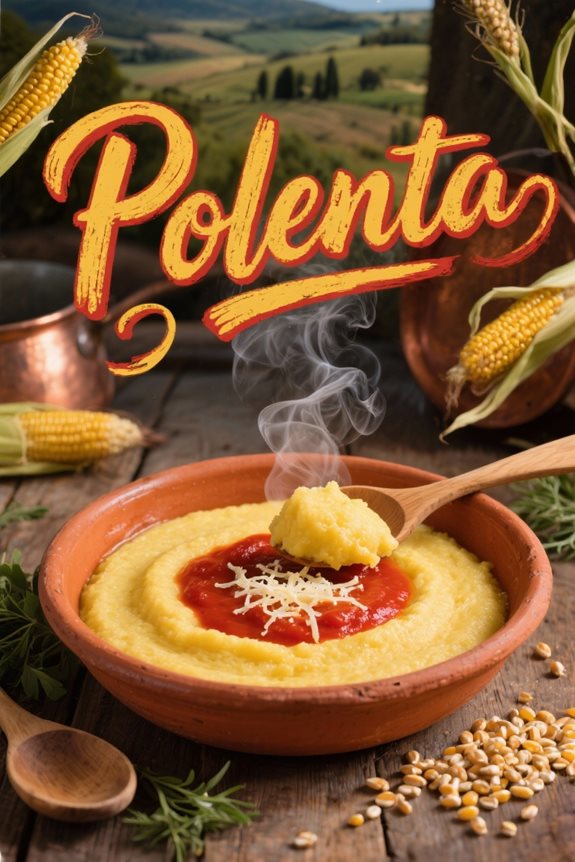
I’ve fallen in love with polenta’s incredible versatility and want to share why this humble Italian cornmeal dish deserves a place in your kitchen. With just a few pantry staples, you can create a creamy, comforting base that pairs beautifully with everything from rich ragùs to roasted vegetables. Don’t let its simplicity fool you—mastering the perfect polenta requires technique, but I’ll guide you through each step to guarantee silky, lump-free results every time. Ready to transform simple cornmeal into something truly magnificent?
Key Takeaways
- Polenta is a traditional Italian dish made from cornmeal cooked with water and salt until creamy and thick.
- Medium-ground cornmeal provides the ideal texture for authentic polenta, which requires constant stirring for silky results.
- Serve polenta as a versatile base topped with sauces, cheeses, vegetables, braised meats, or seafood.
- The basic recipe needs only cornmeal, water, and salt, making it an economical and adaptable side dish.
- Polenta can be customized with broths, milk, butter, or various cheeses for enhanced flavor and creaminess.
Why You’ll Love this Creamy Italian Polenta
Every home cook should have this classic Italian polenta recipe in their repertoire.
I’m sharing this foolproof method that transforms simple cornmeal into a luxurious, creamy dish that’s both versatile and satisfying. You’ll appreciate how this humble ingredient becomes the perfect canvas for robust tomato sauces and sharp cheeses.
What makes this polenta special is its silky, velvety texture achieved through constant stirring and careful heat management.
It’s economical too—requiring just cornmeal, water, and salt for the base. The contrast between the warm, comforting polenta and the savory toppings creates a perfect balance of flavors and textures.
Whether served as a main dish or hearty side, this traditional Italian comfort food delivers rich flavor without complicated techniques or expensive ingredients.
What Ingredients are in Creamy Italian Polenta?
Polenta is a classic Italian comfort food that’s incredibly versatile and surprisingly simple to make. The beauty of polenta lies in its humble ingredients – primarily cornmeal transformed into a creamy, hearty dish that can be dressed up or down depending on your mood or what’s in your pantry.
Traditional polenta requires just a handful of basic ingredients that combine to create something truly special.
- 1 cup cornmeal
- 1 cup cold water
- 3 cups hot water
- Salt (to taste)
- Grated cheese (such as Parmesan or Pecorino)
- Tomato sauce or gravy for serving
When shopping for these ingredients, quality matters more than you might think. The cornmeal is obviously the star of the show, and while any variety will work, a medium-ground cornmeal often produces the best texture – not too gritty, not too fine.
The cheese component is also worth considering carefully; an aged Parmigiano-Reggiano will add a wonderful nutty depth, but even a simple domestic Parmesan will enhance the dish nicely.
And remember, polenta is a canvas for creativity, so while these are the basic ingredients, feel free to experiment with additions like butter, herbs, or even a splash of cream for extra richness.
How to Make this Creamy Italian Polenta
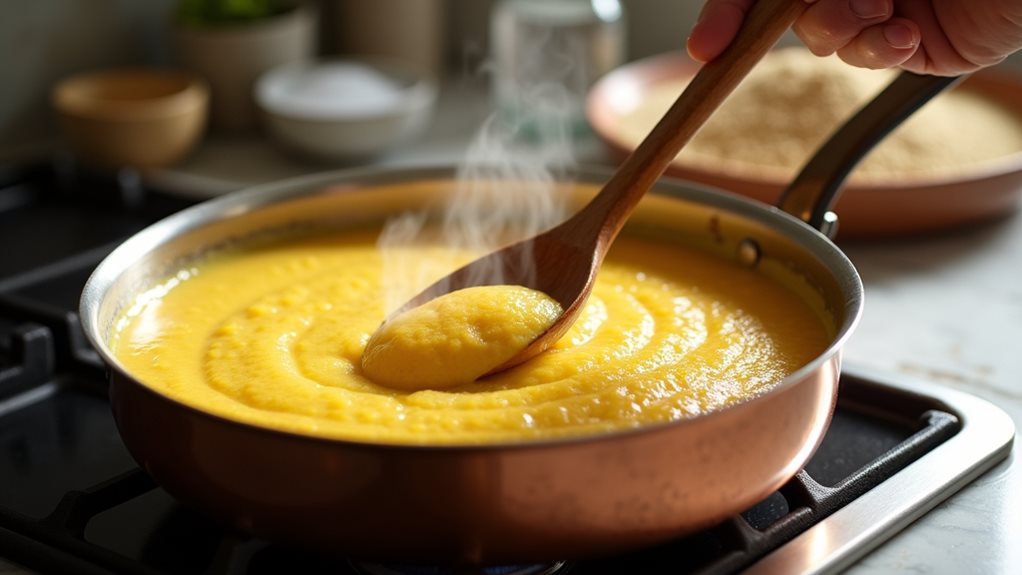
Making polenta might sound fancy, but trust me, it’s one of those Italian comfort foods that’s surprisingly simple to prepare. Start by mixing 1 cup of corn meal with 1 cup of cold water in a saucepan. This creates a silky slurry that prevents those pesky lumps from forming—nobody wants lumpy polenta, right?
Next, add 3 cups of hot water and a little salt to the mixture. The hot water helps jump-start the cooking process.
Now comes the arm workout part of our culinary adventure: stir constantly over medium heat for about 7 to 8 minutes until the polenta thickens. As it bubbles and transforms, you’ll want to reduce the heat to low to prevent any volcanic polenta eruptions in your kitchen.
The texture should become creamy and velvety, almost like a soft mashed potato but with more character. Once it’s reached that perfect consistency, divide the polenta between two dishes.
The final touch? Cover your golden creation with tomato sauce and sprinkle generously with grated cheese. The cheese melts slightly into the warm polenta, creating those irresistible strings when you take a bite.
If you enjoy making Italian specialties at home, a professional pasta maker set can be another fantastic addition to your kitchen collection.
Creamy Italian Polenta Substitutions and Variations
While our basic polenta recipe creates a wonderful dish, there’s always room to experiment with this versatile Italian staple.
I like to substitute vegetable or chicken broth for water to add depth of flavor, or incorporate milk for extra creaminess. You can also try different cheeses—Parmesan provides a nutty flavor, while Gorgonzola adds a tangy kick.
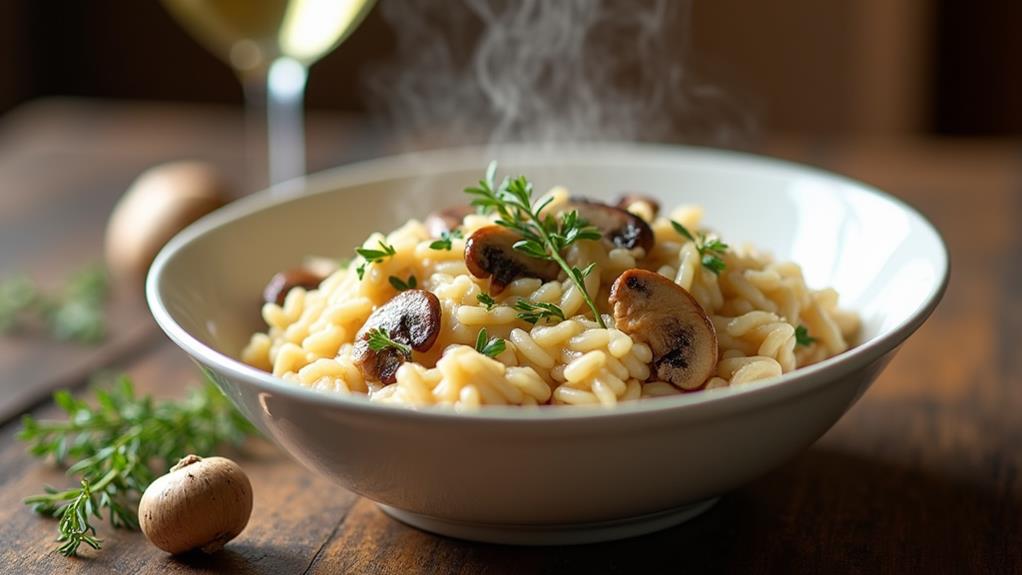
For heartier variations, I fold in sautéed mushrooms, caramelized onions, or roasted garlic. Fresh herbs like rosemary, thyme, or basil brighten the dish considerably.
If you’re feeling adventurous, try stirring in sun-dried tomatoes or olives for Mediterranean flair.
For a complete meal transformation, top your polenta with grilled vegetables, braised meats, or seafood ragout instead of traditional tomato sauce.
What to Serve with Creamy Italian Polenta
When pairing dishes with creamy Italian polenta, I’ve found that complementary flavors and textures make all the difference in creating a memorable meal. Rich, braised meats like osso buco or short ribs create a perfect partnership, as the polenta absorbs their savory juices.
Mushroom ragù offers an earthy, vegetarian alternative that’s equally satisfying.
For lighter options, I recommend grilled or roasted vegetables – especially those with Mediterranean flair like eggplant, zucchini, or bell peppers. A simple sautéed spinach with garlic adds both color and nutrition.
Don’t forget that polenta works wonderfully with seafood too; try topping it with garlicky shrimp or a delicate white fish in a lemon butter sauce.
The cheese you choose for your polenta will influence which accompaniments work best.
Final Thoughts
Polenta’s versatility stands as one of its greatest attributes in Italian cuisine. Whether served creamy as a base for hearty stews, cooled and sliced for grilling, or baked with cheese as a comforting casserole, it adapts beautifully to countless preparations.
I’ve found that mastering this simple corn dish opens up a world of culinary possibilities that can enhance weeknight dinners or impress guests at special gatherings.
Don’t be intimidated by the stirring process—it’s this attention that transforms humble cornmeal into something truly special. Remember that quality ingredients make a difference; fresh cornmeal will always yield better results.
Much like risotto’s slow cooking technique from Northern Italy, polenta requires patience and constant attention to develop its signature texture and flavor.
I encourage you to experiment with different toppings, cooking methods, and serving styles to discover your favorite way to enjoy this Italian staple that has sustained generations.