I’ve always been captivated by dhokla‘s ability to transform simple ingredients into something extraordinary. This light, spongy Gujarati delicacy offers the perfect balance of tangy and spicy flavors without the guilt of deep frying. I’ll show you how to create this versatile dish at home, from mixing the perfect batter to achieving that ideal texture. Whether you’re hosting a gathering or looking for a healthy snack option, dhokla’s widespread appeal makes it worth mastering. Let’s explore what makes this humble dish so special.
Key Takeaways
- Dhokla is a savory Indian snack with a soft, spongy texture made from fermented semolina and chickpea flour batter.
- It offers a healthy alternative to fried snacks as it’s steamed rather than deep-fried.
- The dish features a balanced flavor profile combining tangy, spicy, and savory notes.
- Traditional dhokla preparation involves fermenting the batter, steaming it, and finishing with tempered spices.
- Dhokla is typically served with mint-coriander and tamarind chutneys, often paired with masala chai.
Why You’ll Love this Fluffy Indian Dhokla
When you’re craving a savory snack that’s both light and satisfying, this traditional Gujarati dhokla will quickly become your go-to recipe. Made with a fermented batter of semolina and chickpea flour, these steamed cakes offer a perfect balance of tangy and spicy flavors that dance on your palate.
I love how dhokla requires no deep frying, making it a healthier alternative to many snacks. The texture is what truly sets it apart—incredibly soft and spongy with a slight chew that makes each bite delightful.
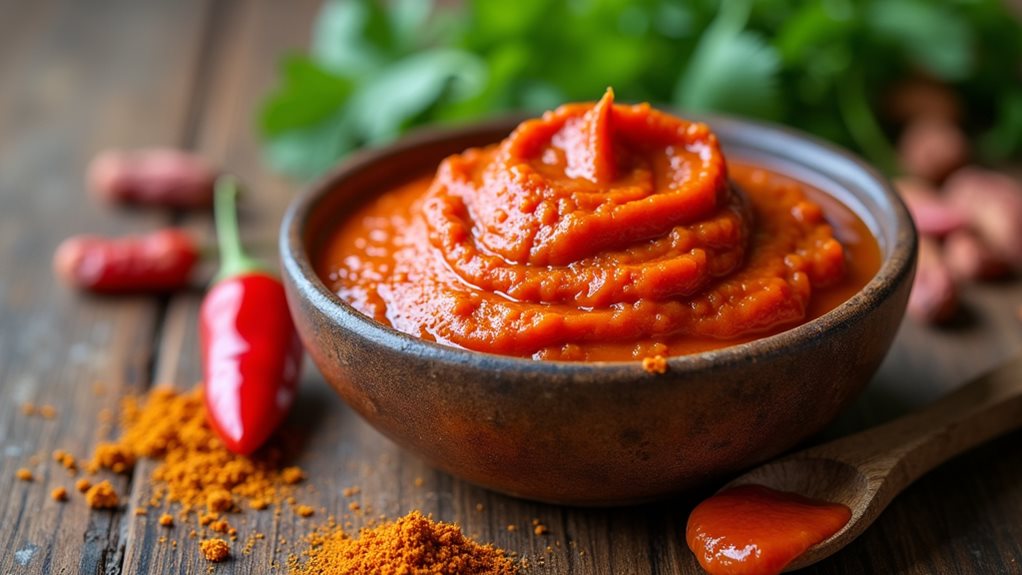
The tempering of mustard seeds, cumin, and curry leaves adds an aromatic finish that enhances the entire dish. Served with zesty Sriracha, it’s versatile enough for breakfast, tea time, or as part of a larger meal.
What Ingredients are in Fluffy Indian Dhokla?
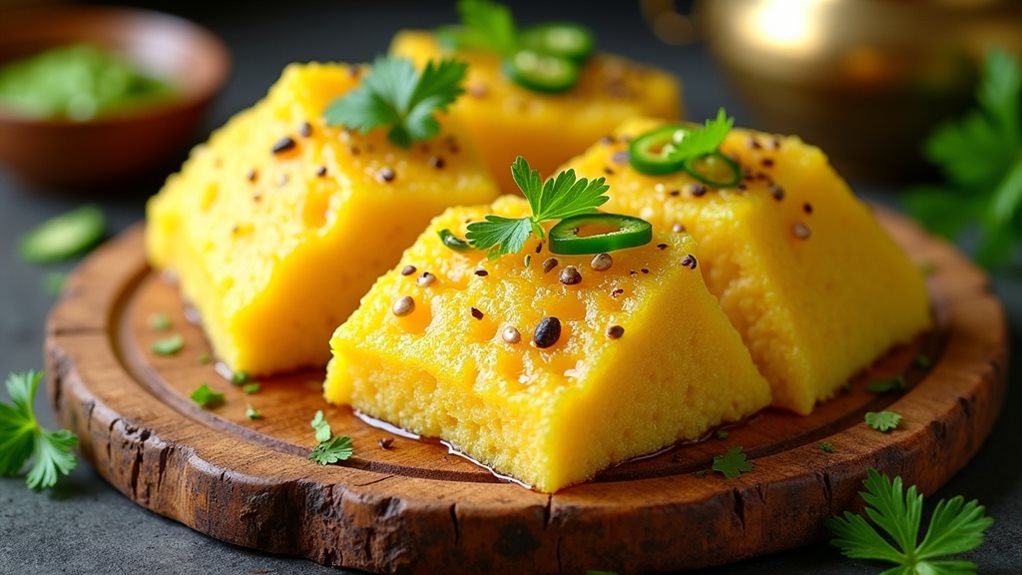
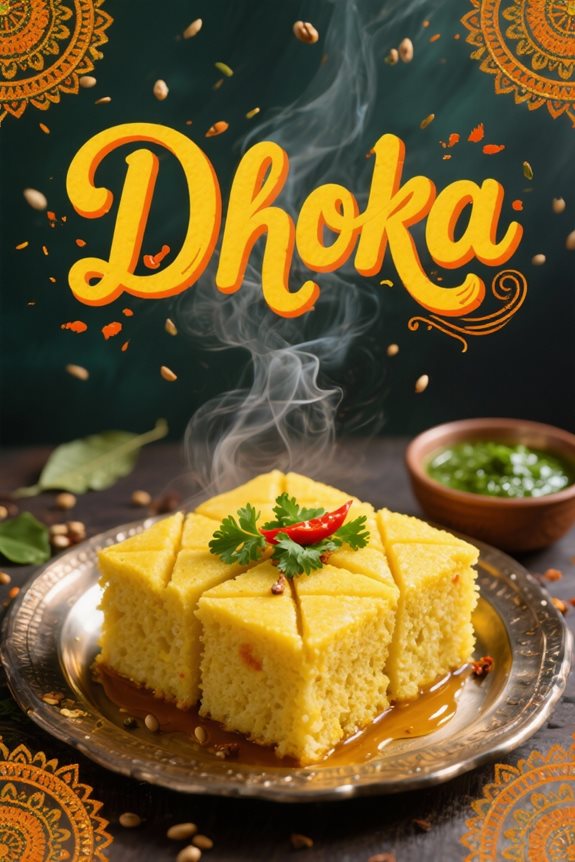
Dhokla is a light, spongy and slightly tangy snack from Gujarat, India that’s both nutritious and delicious. The perfect dhokla has a beautiful yellow color, a soft texture, and an amazing balance of flavors. I’m always amazed by how simple ingredients can transform into something so special.
To make traditional dhokla at home, you’ll need a combination of flours, spices, and tempering ingredients that create those distinctive layers of flavor.
- 2 cups semolina flour
- 1/2 cup chickpea flour
- 1 cup yogurt
- About 2 cups warm water
- 3 green chilies
- 1/4 cup cilantro (plus another 1/4 cup for garnish)
- 3 tablespoons canola oil (divided as 2 Tbs + 1 Tbs)
- 1/2 teaspoon turmeric powder
- 2 teaspoons salt
- 1/4 teaspoon citric acid
- 1 tablespoon ENO (fruit salt, a leavening agent)
- 1 tablespoon mustard seeds
- 1 tablespoon cumin seeds
- 20 curry leaves
- 1-2 additional green chilies, finely chopped (for garnish)
When shopping for these ingredients, the semolina flour (also called sooji or rava) and chickpea flour (besan) can typically be found in Indian grocery stores or the international aisle of well-stocked supermarkets.
ENO is a key ingredient that gives dhokla its signature fluffiness and can’t really be substituted with regular baking powder or soda. If you can’t find curry leaves, the dish will still taste good without them, but they do add an authentic aroma that’s worth seeking out.
For the best results, use fresh ingredients, especially the cilantro and green chilies, as they contribute notably to the bright flavor profile of this beloved Indian snack.
How to Make this Fluffy Indian Dhokla
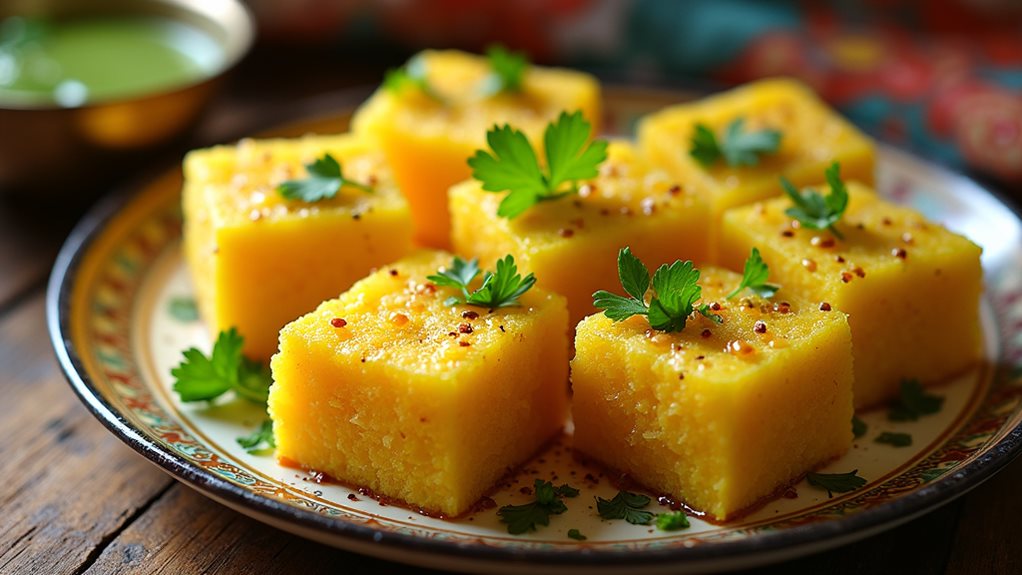
Making dhokla at home might sound complicated, but it’s actually quite straightforward once you break it down. Start by boiling water in a large pot – this will create the steam needed to give your dhokla its signature fluffy texture.
While the water heats up, prepare your batter by mixing 2 cups of semolina flour, 1/2 cup of chickpea flour, and 1 cup of yogurt in a large bowl. Add enough warm water (about 2 cups) to achieve a pancake batter-like consistency, stirring until velvety.
Next comes the flavor base. Create a paste by grinding 3 green chilies and 1/4 cup cilantro together in a food processor, or simply chop them very finely if you don’t have one. This aromatic mixture gets folded into your batter along with 2 tablespoons of canola oil, 1/2 teaspoon of turmeric powder (for that gorgeous yellow color), 2 teaspoons of salt, 1/4 teaspoon of citric acid, and 1 tablespoon of ENO (the secret to dhokla’s fluffiness).
Pour this batter into two well-greased pans, then steam each batch for about 15 minutes over medium-high heat.
The finishing touch is what takes dhokla from good to spectacular. In a small frying pan, heat 1 tablespoon of canola oil and add 1 tablespoon each of mustard seeds and cumin seeds, along with 20 curry leaves. This tempering, known as “tadka” in Indian cooking, releases incredible aromas that will fill your kitchen.
Once the seeds start to pop and dance in the pan, pour this fragrant oil mixture over your steamed dhokla. Garnish with 1-2 finely chopped green chilies and 1/4 cup of chopped cilantro, then cut into diamond or square shapes.
The contrast between the soft, spongy dhokla and the crunchy, aromatic topping creates a perfect balance of textures and flavors that’s simply irresistible.
For a modern twist on this traditional recipe, consider using a large premium air fryer to create a crispy exterior while maintaining the soft interior texture.
Fluffy Indian Dhokla Substitutions and Variations
The traditional dhokla recipe I’ve shared is wonderful, but what if you don’t have all the ingredients on hand or want to experiment with different flavors?
You can substitute rice flour for semolina to create a softer texture, or use sour cream instead of yogurt in a pinch. Don’t have ENO? Try using a mixture of baking soda and lemon juice to achieve that same fluffiness.
For exciting variations, consider adding grated carrots or spinach to the batter for a nutritional boost and vibrant color.
You might also experiment with different tempering spices—try asafoetida or fennel seeds instead of cumin. For a fusion twist, I sometimes add grated cheese on top or mix in corn kernels for added texture and sweetness.
What to Serve with Fluffy Indian Dhokla
When enjoying a plate of fluffy dhokla, I always consider complementary dishes that enhance its subtle flavors and create a balanced meal. I find that chutneys are crucial companions—mint-coriander chutney provides cooling freshness, while tamarind chutney adds a sweet-tangy contrast that perfectly balances dhokla’s savory notes.
For a complete Indian breakfast or light lunch, I’ll serve dhokla with masala chai, which cuts through the spices with its warming blend of tea and cardamom.
If I’m hosting guests, I’ll include samosas or pakoras as additional savory elements, and perhaps a simple kachumber salad with cucumber, tomato, and onion dressed in lemon juice. This creates a vibrant spread with varied textures and complementary flavors that showcase dhokla’s versatility.
Final Thoughts
After exploring the versatility and accompaniments for dhokla, I’ve come to appreciate how this humble Gujarati dish transcends its simple ingredients to become a beloved staple across India.
Its spongy texture, tangy flavor, and aromatic tempering create a perfect balance that makes it suitable for breakfast, snacks, or even light meals.
What makes dhokla truly special is its adaptability—whether you’re serving it with chutneys at a casual family gathering or presenting it alongside elaborate curries at a formal dinner.
The fermentation process not only contributes to its distinctive taste but also improves its nutritional profile, making it a healthier option compared to many fried snacks.
I encourage you to experiment with this recipe, adjusting the spice levels and accompaniments to suit your taste preferences.
Much like sweet potato casserole, dhokla represents how regional dishes evolve to reflect cultural influences while maintaining their distinctive character.